

 Business License

Development and Trends of Lithium Battery Copper Foil
The history of copper foil began in 1937 when Anaconda Company's copper refinery in the US started production, initially for waterproofing wooden roofs. The industry surged in the early 1950s with the advent of Printed Circuit Boards (PCBs), becoming a high-tech sector integral to electronics.
In 1955, Yates Company became the world's first specialized producer of electrolytic copper foil for PCBs. Japanese companies like Mitsui, Frukawa, and Nippon Mining later entered the field by introducing American technology, rapidly advancing Japan's copper foil industry.
Entering the 21st century, demand soared with the global electronics boom. China emerged as a major production hub alongside Japan, Taiwan, and South Korea.
Additives are crucial in production, categorized by function:
Cleaners & Anti-oxidants: Remove impurities and prevent oxidation.
Surface Agents & Chemical Solvents: Improve wettability, coating uniformity, and processing.
Anti-oxidants & Corrosion Inhibitors: Enhance high-temperature resistance and longevity.
Coating Agents & Others (e.g., anti-static): Improve corrosion resistance, wearability, conductivity, and stability.
Transition from PCB to Lithium Battery Copper Foil
The shift was driven by the new energy vehicle boom and higher demands for battery energy density/safety. This spurred innovations in thinner foils and specialized additives. Lithium battery copper foil, serving as the negative electrode current collector, now trends toward ultra-thinning (e.g., 4.5μm foils to boost energy density) and is pivotal for EVs, consumer electronics, and energy storage. The market is projected to grow significantly by 2025.
Key Additives for Lithium Battery Copper Foil
These include:
Promoters & Inhibitors: Work with chloride ions to refine copper grain structure and ensure uniform deposition.
Leveling Agents: Such as sulfur-containing compounds (e.g., Sodium 3,3'-dithiodipropane sulfonate, 3-Mercapto-1-propanesulfonic acid sodium salt), amine-based, polyether-based agents, and others like gelatin.
Supported by national policies, the lithium battery copper foil market is expanding rapidly, with continuous innovation focused on performance and eco-friendly processes like chromium-free passivation. Companies like Wuhan Hugarise New Material Co., Ltd. are committed to R&D, driving industry progress alongside peers.
Recently Posted
-
Chemicals for copper foil electroplating: tensile properties and applications
August 26, 20261. Industry Pain Points and Core Application Value of H1 AdditivesIn electrolytic copper‑foil production and copper‑plating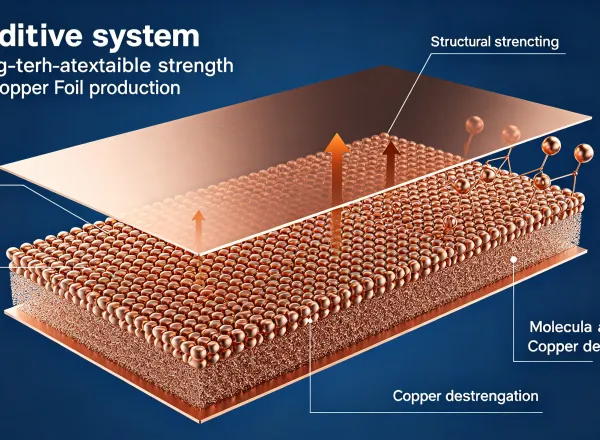 Read More
 -
Copper Foil Electroplating Chemicals — Functions of Brighteners and Industrial Applications
August 13, 202601. Core Value: Acid Copper Plating & Electroplating IntermediatesAcid copper plating is a vital process for hardware electrop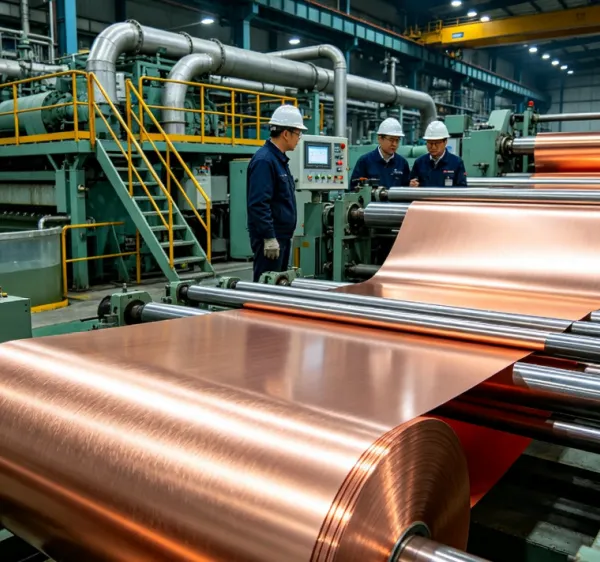 Read More
 -
Application of ZPS in the Electroplating Industry
August 13, 20261. Overview Sodium 3-(benzothiazol-2-ylthio)-1-propanesulfonate (commonly called ZPS, CAS No.: 49625-94-7) is a vital or Read More
 -
Copper Foil Electroplating Chemicals – Functions & Industrial Applications of Grain Refiners
July 29, 20261. Core Functions of Electroplating Intermediates in Acid Copper Plating & High-Grade Copper Foil Process Electroplating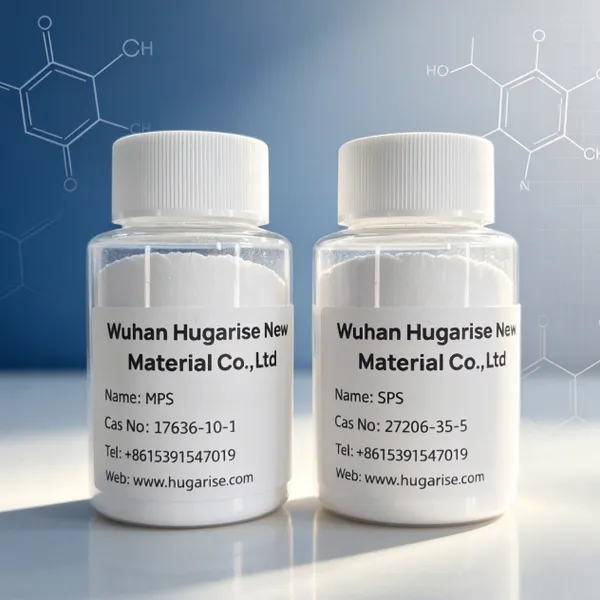 Read More

Contact Us
Recommended Products
-
 GuanineNegotiableMOQ: 25 Kilograms
 -
β-hydroxy-4-(2-hydroxyethyl)piperazine-1-propanesulphonic Acid (HEPPSO)NegotiableMOQ: 25 Kilograms
-
3-(Cyclohexylamino)2-hydroxy-1-propanesulfonic Acid (CAPSO)NegotiableMOQ: 25 Kilograms
-
3-Cyclohexylaminopropane-1-sulphonic Acid(CAPS)NegotiableMOQ: 25 Kilograms
-
4-(N-morpholino)butyric Acid (MOBS)NegotiableMOQ: 25 Kilograms
-
4-(cyclohexylamino)butane-1-sulfonic Acid (CABS)NegotiableMOQ: 25 Kilograms
-
N-(2-Hydroxyethyl)piperazine-N'-(4-butanesulfonic Acid) (HEPBS)NegotiableMOQ: 25 Kilograms
-
3-(3-Cholamidopropyl)-dimethylamino-1-propanesulfonic Acid (CHAPS)NegotiableMOQ: 25 Kilograms
-
2-hydroxy-3-[[2-hydroxy-1,1-bis(hydroxymethyl)ethyl]amino]propanesulphonic Acid (TAPSO)NegotiableMOQ: 25 Kilograms
-
3-(tris(hydroxymethyl)methylamino)propane-1-sulphonic Acid (TAPS)NegotiableMOQ: 25 Kilograms
-
3-Morpholinepropanesulfonic Acid (MOPS)NegotiableMOQ: 25 Kilograms
-
4-(2-Hydroxyethyl)-1-piperazinepropanesulfonic Acid (HEPPS)NegotiableMOQ: 25 Kilograms
-
Aliphatic Polyoxyethylene Ether SulfonateNegotiableMOQ: 25 Kilograms
-
3-MercaptopropyltriethoxysilaneNegotiableMOQ: 25 Kilograms
-
3-AminopropyltriethoxysilaneNegotiableMOQ: 25 Kilograms
-
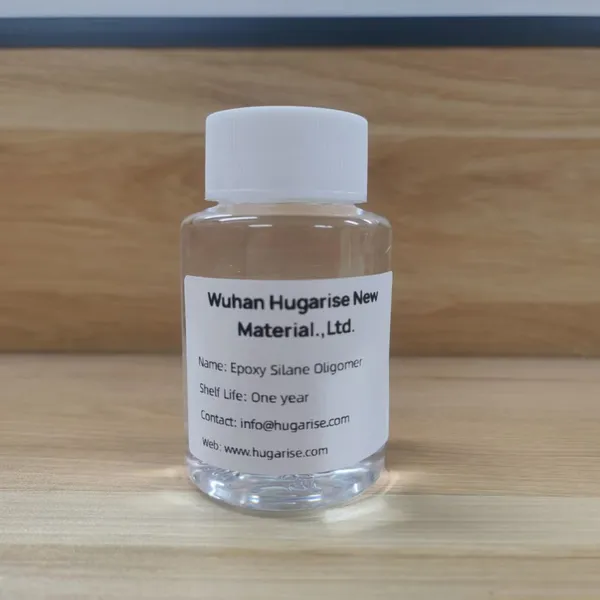
Epoxy Silane OligomerNegotiableMOQ: 25 Kilograms
-
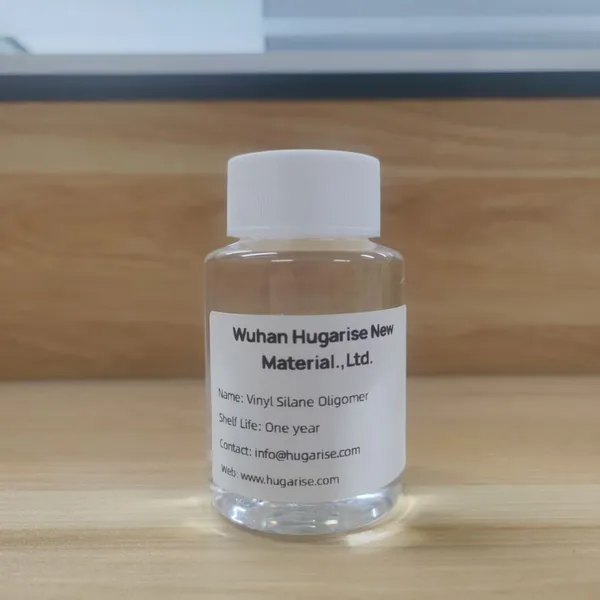
Vinyl Silane OligomerNegotiableMOQ: 25 Kilograms
-
Sodium 3-(benzothiazol-2-ylthio)-1-propanesulfonate(ZPS)NegotiableMOQ: 25 Kilograms
-
Sodium 3-sulfopropyl Methacrylate (SPM-Na)NegotiableMOQ: 25 Kilograms
-
1,3-Bis[3-(dimethylamino)propyl]urea (PU)NegotiableMOQ: 25 Kilograms
![1,3-Bis[3-(dimethylamino)propyl]urea (PU)](https://img13.fr-trading.com/3/1_629_120264_1000_1000.jpg.webp)
